How to Pick the Best Scuba Equipment: Advice for New Divers
Picking the right scuba gear can be daunting for beginners. It requires understanding different components and their roles in ensuring safety and comfort underwater. From picking a proper mask to understanding wetsuit options, each piece plays an crucial part in the diving experience. As beginners navigate these choices, they may find themselves questioning what factors truly matter. The upcoming guidance will clarify these essential elements and guide beginners toward informed decisions.
Understanding the Basics of Scuba Gear
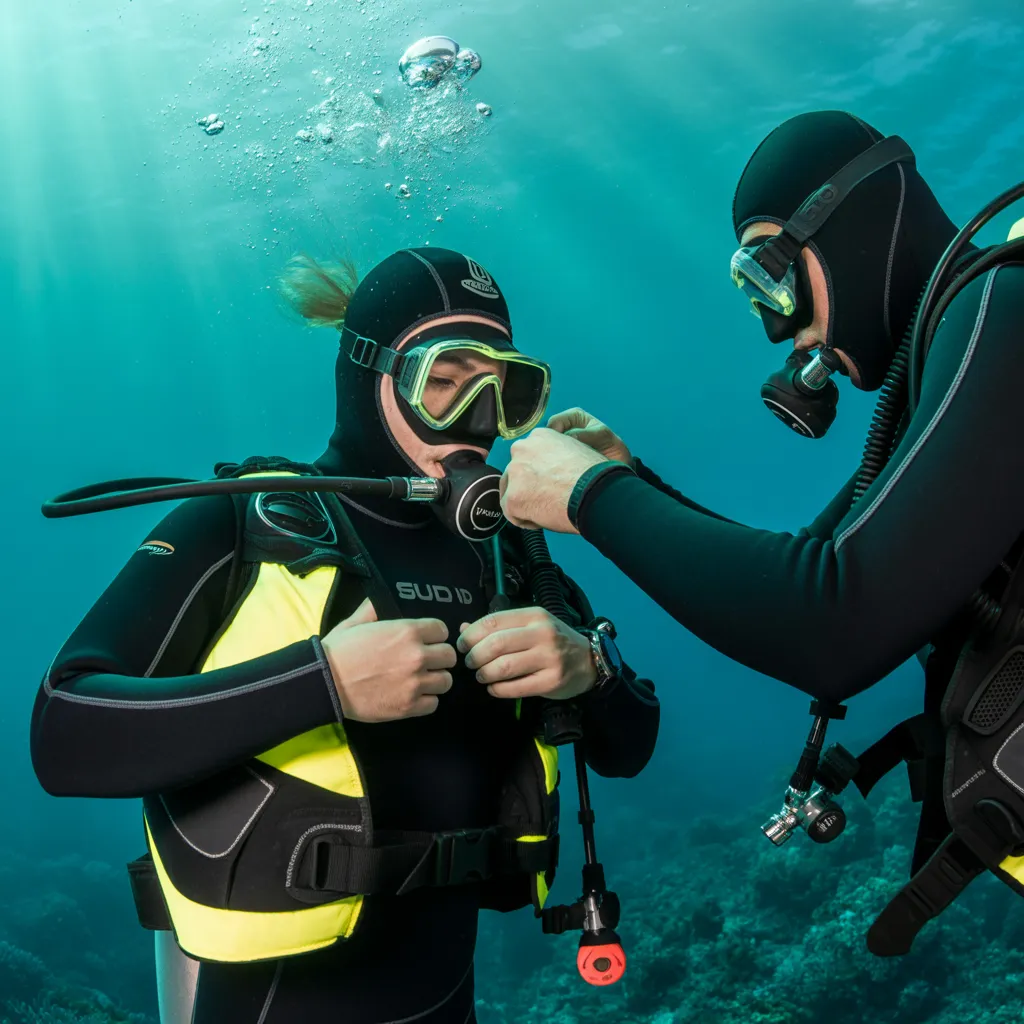
When beginning the journey of scuba diving, grasping the basics of scuba gear is essential for both safety and enjoyment. New divers should become familiar with the core components of diving equipment, which include a wetsuit, buoyancy control device (BCD), regulator, and tank. The wetsuit provides thermal protection, while the BCD assists with managing buoyancy underwater. The regulator is essential for transferring air from the tank to the diver, enabling safe breathing at depth. Moreover, a tank is needed to store compressed air. Each piece of equipment performs a key function in ensuring a successful diving experience. By mastering the fundamentals of these essential items, new divers can begin their underwater exploration with preparedness and confidence.
Choosing the Proper Mask and Snorkel
How do beginners be certain they choose the appropriate mask and snorkel for their scuba diving adventures? First, they should ascertain the mask fits properly without being too tight, creating a solid seal around the face. Sampling different styles helps identify the best fit. A low-volume mask is often suggested for more convenient clearing and less air consumption.
When choosing a snorkel, beginners should look for a comfortable mouthpiece and a design that enables easy breathing. Features such as a purge valve can help with clearing water rapidly. Moreover, a flexible snorkel can improve comfort. Eventually, selecting premium materials delivers durability and performance, permitting beginners to savor their underwater experiences with confidence.
Picking Fins for Comfort and Efficiency
Which type of fins offer the best combination of comfort and efficiency for beginners? When choosing fins, beginners should prioritize lightweight materials and an open heel design for a customizable fit. Full-foot fins can offer comfort but may not accommodate all foot sizes. The blade length is also essential; shorter blades deliver better maneuverability, while longer blades enhance propulsion. Beginners often benefit from split fins, as they require less effort to kick, reducing fatigue during extended dives. Moreover, considering the fin's stiffness is important; a softer fin can ease kicking but may sacrifice power. Finally, trying on various styles and considering personal comfort, fit, and diving conditions will help guarantee an ideal choice for a beginner's scuba experience.
Deciding on the Right Wetsuit
Selecting the right wetsuit can notably elevate a beginner's scuba diving experience, as it supplies essential insulation and protection in varying water temperatures. Beginners should examine factors such as thickness, fit, and type when picking a wetsuit. A thicker wetsuit delivers more warmth, while thinner choices are suitable for warmer waters. A proper fit is critical; the wetsuit should be snug but not restrictive to permit for movement. In addition, different styles, like shorty or full suits, suit specific diving conditions and personal preferences. Beginners are urged to try on multiple suits to locate the most comfortable alternative. Ultimately, picking an appropriate wetsuit not only ensures thermal comfort but also boosts safety during underwater adventures.
Understanding Scuba Tanks and Regulators
Scuba tanks and regulators are fundamental components of diving equipment that offer divers with access to breathing air underwater. The container, usually made from steel or aluminum, stores compressed air and comes in various sizes to suit different dive durations and depths. Divers should examine their personal needs when picking tank size and material. The regulator is the piece of equipment that provides air from the tank to the diver, managing pressure for safe breathing at changing depths. It consists of two main parts: the first stage, which fastens to the tank, and the second stage, which the diver uses to breathe. Grasping the function and specifications of scuba tanks and regulators is essential for safe and rewarding diving experiences.
Importance of Buoyancy Control Devices
Buoyancy control devices are essential for maintaining proper position underwater, permitting divers to regulate their descent and ascent effectively. Grasping the various types of buoyancy devices, along with mastering correct adjustment techniques, is crucial for a safe and enjoyable experience. This knowledge allows beginners to maneuver through underwater environments with improved ease and confidence.
Forms of Buoyancy Devices
Effective buoyancy control is critical for divers, as it significantly influences both safety and enjoyment underwater. Multiple types of buoyancy devices are accessible, each serving different purposes. The most common are Buoyancy Control Devices (BCD), which deliver adjustable flotation and are crucial for sustaining neutral buoyancy during dives. Another option is the dry suit, which delivers thermal protection and buoyancy but requires more skill to manage. For tropical waters, a wetsuit can aid in buoyancy while offering insulation. Additionally, inflatable life vests can be employed in emergencies, though they are not typically ideal for regular diving. Choosing the right buoyancy device is based on the diver's experience level, environmental conditions, and specific diving activities planned. Complete understanding of these devices ensures a superior diving experience.
Proper Fine-Tuning Techniques
A lot of divers underestimate the importance of properly adjusting their buoyancy control devices, which can considerably boost their overall diving experience. Correct adjustment ensures that divers maintain excellent buoyancy, allowing for effortless movement underwater. It is essential to check the fit of the buoyancy compensator, ensuring that it is snug but not restrictive. Fine-tuning the inflator and deflator mechanisms allows divers to fine-tune their buoyancy throughout the dive. Additionally, proper weight distribution is crucial; divers should distribute weights evenly for balanced buoyancy. Frequent practice in different water conditions will help divers become accustomed to their equipment, leading to increased confidence. In the end, mastering these adjustment techniques can provide a more controlled, more enjoyable diving adventure for beginners.
Vital Equipment for Your Scuba Gear
When selecting dive gear, beginners must not overlook the essential accessories that improve both safety and enjoyment underwater. A trustworthy dive computer is vital, providing real-time data on depth, time, and decompression limits. Additionally, a quality wetsuit or drysuit guarantees thermal protection, facilitating longer dives in varying read here temperatures. A buoyancy control device (BCD) is essential for maintaining neutral buoyancy and comfort during dives. Divers should also consider a mesh gear bag for easy transport and drying of equipment. A surface marker buoy (SMB) is important for signaling to boats and ensuring visibility at the surface. Last but not least, a good pair of dive gloves and boots can shield from cuts and abrasions while boosting grip and comfort underwater.
FAQ
How Much Should I Set Aside for Scuba Gear as a Beginner?
A novice should plan to spend roughly $500 to $1,500 for scuba gear. This range covers essential equipment including masks, fins, wetsuits, and regulators, with premium choices delivering greater comfort and durability for prolonged usage.
Is Renting Scuba Equipment an Option Instead of Buying?
Renting scuba gear is indeed a practical choice for those new to diving. This approach lets individuals enjoy diving without significant upfront costs. This flexibility also enables them to try different equipment before deciding to purchase their own.
Are There Weight Limits to Consider for Traveling With Diving Gear?
Weight-related considerations for travel with scuba gear are considerable. Divers should take into account luggage restrictions, the weight of diving equipment, and potential extra fees. Adequate planning secures compliance with copyright policies and a more pleasant travel experience.
How Often Should I Replace My Scuba Gear?
Scuba diving equipment should normally be replaced every three to five years, according to usage and maintenance. Consistent evaluations can help ascertain if components need replacement sooner, ensuring safety and optimal performance while diving.
What Certifications Are Required Before Buying Scuba Gear?
Prior to buying scuba gear, one should obtain at least an entry-level certification, such as SSI Open Water Diver or PADI Open Water Diver, to guarantee safety and comprehension of diving equipment and practices.